

Música Popular Brasileira (MPB)
The Heartbeat of Brazilian Culture

Home:
The Heartbeat of Brazilian Culture
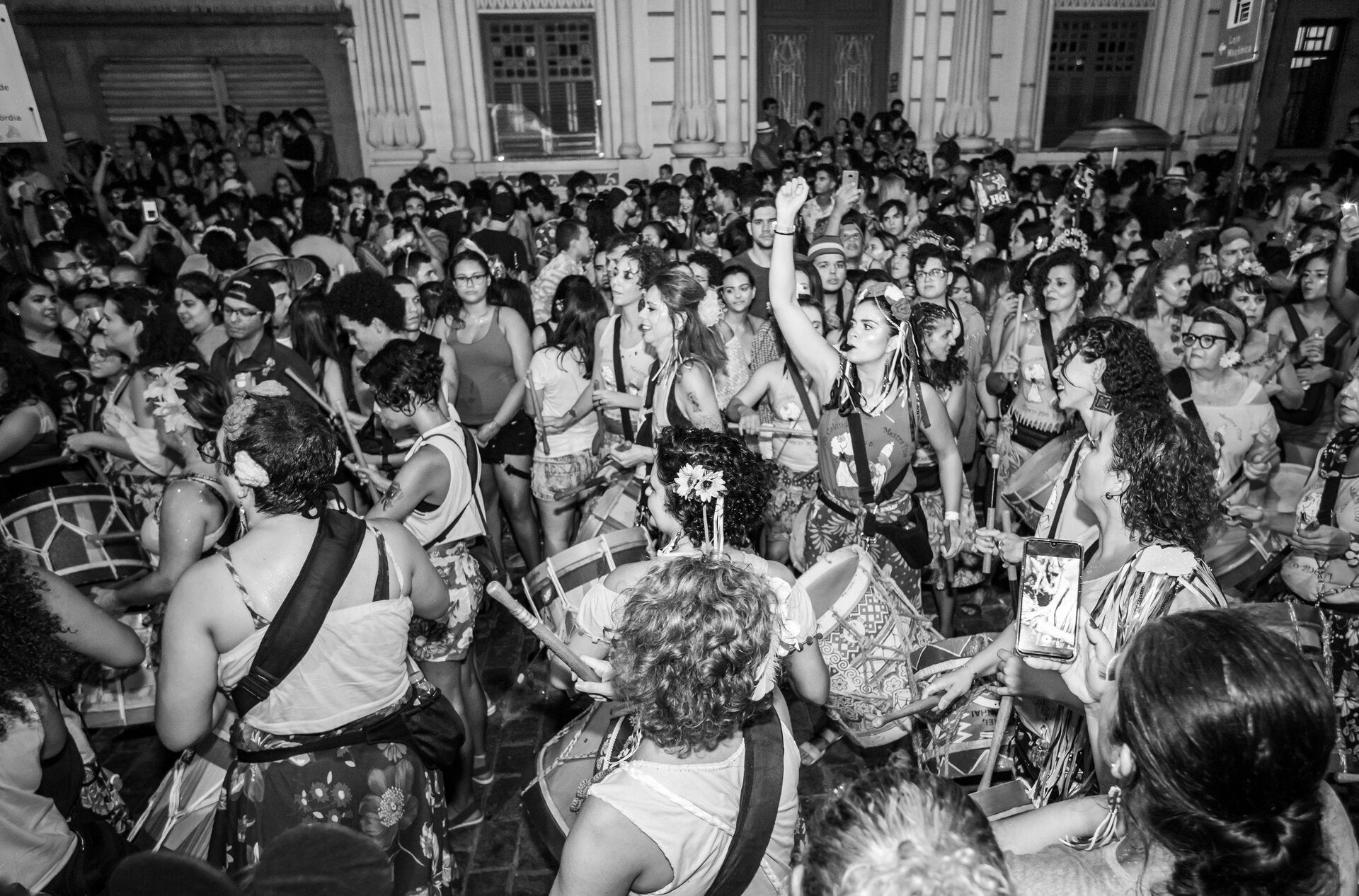
Hey there! Check out my Digital Humanities project on Música Popular Brasileira (MPB). So, MPB, or Brazilian Popular Music, is like one of the coolest musical movements to come out of Brazil. It popped up in the 1960s and mixes traditional Brazilian rhythms like samba and bossa nova with jazz, folk, rock, and even some pop. It's a vibrant expression of Brazilian culture, history, and identity.
This website dives into the history of MPB, its cultural vibe, the legendary artists who helped shape it, and the modern musicians keeping the flame alive today.
Throughout this project, I’ll be chatting about how MPB mirrors Brazil's social and political scene while still evolving with each new generation of artists.

Historical & Cultural Background
Música Popular Brasileira (MPB) emerged in the mid-1960s, following the rise of Bossa Nova, a genre popularized by artists like Antônio Carlos Jobim. During Brazil's military dictatorship from 1964 to 1985, many musicians embraced MPB as a peaceful form of resistance. Their lyrics often contained subtle critiques of censorship, social inequality, and political oppression (Britannica; Encyclopedia.com).
MPB is a vibrant fusion of various Brazilian musical traditions, including:
Samba
Bossa Nova
Choro
Baião
Forró
Jazz
Rock
Folk music

MPB is not merely a single musical genre; it embodies a dynamic cultural movement that celebrates artistic expression and storytelling.
Today, MPB continues to evolve, fusing traditional Brazilian sounds with indie, electronic, and contemporary pop music.
Cultural Significance
MPB encompasses:
• Brazilian identity
• Cultural diversity
• Political expression
• Social commentary
• Artistic freedom
Many songs within this genre narrate tales of everyday life, love, nature, urban landscapes, and the experiences of ordinary Brazilians.
Influential MPB Artists (Old and New)
These artists are just a few among many who have shaped Brazilian music into what it is today.

Adoniran Barbosa (1910–1982)
Although primarily known for samba, Adoniran Barbosa greatly influenced MPB through his storytelling and portrayal of working-class life in São Paulo. Songs like "Trem das Onze" remain classics that celebrate everyday Brazilian culture.
Famous Songs
Trem das Onze
Saudosa Maloca
Samba do Arnesto

Antônio Carlos Jobim (1927–1994)
Renowned globally as a pioneer of Bossa Nova, Jobim played a pivotal role in shaping the evolution of Música Popular Brasileira (MPB). His intricate harmonies and collaborative efforts brought Brazilian music to the forefront, captivating audiences around the world.
Famous Songs
Garota de Ipanema (The Girl from Ipanema)
Águas de Março
Wave

Sérgio Mendes (1941–2024)
Sérgio Mendes masterfully fused Brazilian music with jazz, funk, and pop, bringing Música Popular Brasileira (MPB) to a global audience. His ensemble, Brasil '66, emerged as one of Brazil's most successful musical exports.
Famous Songs
Mas Que Nada
The Look of Love
Fool on the Hill

Mari Froes (current artist)
Mari Froes embodies a fresh wave of MPB artists, seamlessly blending acoustic folk, indie music, and traditional Brazilian rhythms. Her soothing vocals and lyrical artistry have captivated millions of listeners across streaming platforms.
Some of her most popular songs include:
- Figa de Guiné
- Louro Cantador
- Vento
How MPB Has Evolved
Today's MPB artists frequently blend a variety of genres, including:
Indie Folk
Lo-fi
Electronic Music
Alternative Pop
Traditional Brazilian Rhythms
With the rise of streaming platforms like Spotify and YouTube, MPB has reached a global audience, introducing this vibrant genre to listeners worldwide.
Reflection
Before enrolling in this course, my understanding of Digital Humanities was quite limited, particularly regarding how technology can be harnessed to preserve culture and history. Through this project, I discovered that digital platforms like Google Sites can significantly enhance accessibility, enabling individuals from diverse backgrounds to explore cultures they might not otherwise encounter.
My research into Música Popular Brasileira revealed that music transcends mere entertainment. MPB encapsulates Brazil's history, politics, traditions, and cultural identity. Artists have historically used music not only to convey emotions but also to communicate powerful messages during challenging political times.
One of the most fascinating insights I gained was the ongoing evolution of MPB. While iconic figures such as Antônio Carlos Jobim and Sérgio Mendes initially introduced Brazilian music to a global audience, contemporary artists like Mari Froes are continuing this legacy in innovative ways through streaming platforms and social media.
Building this website allowed me to enhance my research skills, improve my organizational abilities, and deepen my understanding of digital storytelling. I also recognized the importance of citing credible sources and presenting information in a manner that engages readers effectively.
In summary, this course has transformed my perspective on cultural preservation. Digital Humanities play a crucial role in ensuring that history, music, literature, and art remain accessible to future generations. MPB serves as a remarkable example of how culture can evolve while honoring its roots.


Works Cited
Britannica. "Música Popular Brasileira." Encyclopaedia Britannica, https://www.britannica.com. Accessed 19 July 2026.
Castro, Ruy. Bossa Nova: The Story of the Brazilian Music That Seduced the World. Chicago Review Press, 2003.
McGowan, Chris, and Ricardo Pessanha. The Brazilian Sound: Samba, Bossa Nova, and the Popular Music of Brazil. Temple University Press, 1998.
Napolitano, Marcos. Seguindo a Canção: Engajamento Político e Indústria Cultural na MPB. Annablume, 2001.
Spotify. Artist pages for Antônio Carlos Jobim, Sérgio Mendes, Adoniran Barbosa, Mari Froes, and other featured artists. https://open.spotify.com. Accessed 19 July 2026.
Oliver Hartman
Create Your Own Website With Webador